How to Plan a Model Test Shoot With Clear Goals
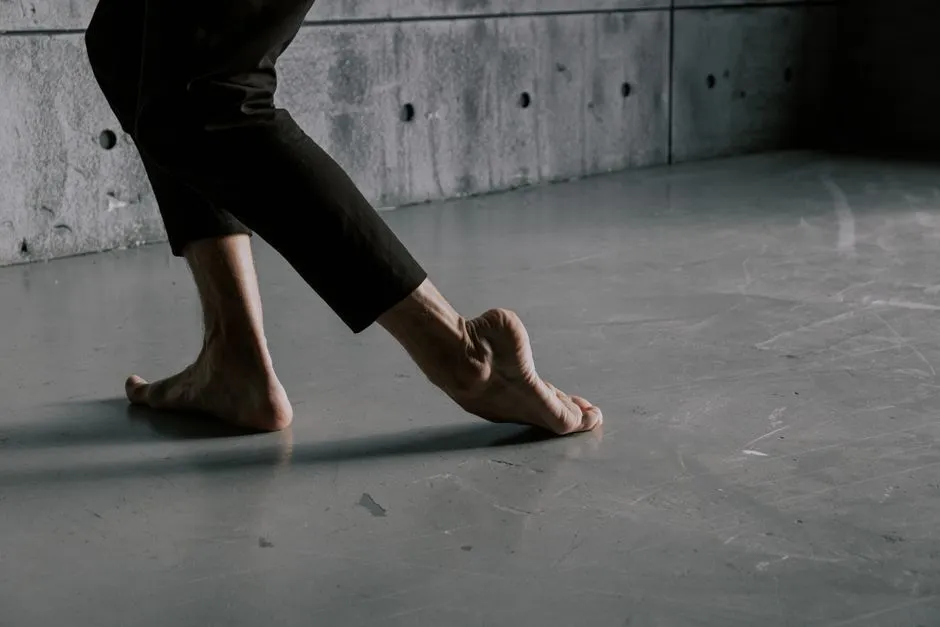
Give the test shoot one clear purpose
To plan a model test shoot, define the portfolio gap first, then agree on concept, team roles, schedule, location, styling, safety, costs, deliverables, credits, and image use in writing. A test shoot should create specific useful work for the people involved. State that purpose in plain language.
Start with a sentence such as: “We need a clean commercial full-length image and a relaxed close-up in natural light.” That goal guides every later choice.
Decide whether the collaboration makes sense
A test shoot is often a portfolio-building collaboration rather than a client commission, although arrangements vary. Ask what each participant hopes to create and whether their experience and visual direction fit the concept. Review complete bodies of relevant work, not only a few striking social posts.
Confirm the participants' identities and working contact details. Discuss whether anyone is being paid, which expenses exist, who supplies clothing or equipment, and whether a cancellation creates a cost. Never let the word “test” stand in for actual terms.
If you are hiring rather than collaborating, use the portfolio photographer checklist to compare candidates.
Build a compact visual brief
Collect references for light, framing, styling, movement, expression, and final crop. Add notes explaining what each reference contributes. A mood board filled with unrelated beautiful pictures may communicate taste, but not a workable plan.
Keep the concept achievable within the location, equipment, team's skills, and time. Limit looks so changing clothes does not consume the shoot. Make a shot list in priority order:
- the essential portfolio gap;
- one useful variation;
- optional experiments if time remains.
Check the current portfolio edit before finalizing the list. Revise any setup that merely duplicates an image you already have.
Put logistics in one shared note
Record the date, call time, expected finish, exact location, access instructions, transport or parking details, contact numbers, team list, wardrobe plan, facilities, and contingency for weather or delay. Specify whether the location is private, public, rented, or permitted for the intended use.
Plan food, water, breaks, changing arrangements, temperature, and accessibility. Confirm who will be present and whether a support person may attend. If a team resists basic questions about the location or participants, pause the plan.
Share any movement, water, animals, vehicles, heights, smoke, unusual makeup, skin products, restrictive garments, or other potential hazards before shoot day. Consent to one concept is not automatic consent to last-minute additions.
Agree on images and usage
Write down who owns the photographs, who receives files, what kind of editing is included, how selections happen, when delivery is expected, where each participant may publish, how credits work, and whether commercial licensing requires another agreement.
A model release form may address permission to use a person's likeness, but it does not replace every other agreement among the team. Copyright, privacy, publicity, employment, and contract rules vary, so use qualified local advice when rights or commercial value are significant.
Do not promise unedited files unless that is part of the agreement, and do not post previews before the agreed date.
Confirm wardrobe and boundaries
List each look and who provides it. Discuss coverage, transparency, changing space, hair changes, makeup, body products, and physical adjustments. Agree that material changes require a fresh conversation, not pressure on set.
Models should be able to change privately. Anyone may stop an unsafe activity or withdraw from a new setup they did not agree to. For minors, a parent or legal guardian must lead the decision-making, verify local work rules, remain appropriately involved, and review every image-use term.
Run the day from essentials outward
Begin with introductions, a location check, the plan, and any changes. Capture the priority setup while energy and time are available. Review enough frames to confirm focus, framing, and concept, then continue with the agreed shot list.
Track completed looks and changes to the agreement. If conditions become unsafe, stop. If the team runs late, drop optional experiments before rushing the essential work.
Close the loop after the shoot
Confirm the selection and delivery process before leaving. Send credits in the exact form each person wants, save receipts and agreements, and report problems promptly. When images arrive, judge them against the original portfolio gap rather than adding every successful frame.
A good test shoot does not need to feel enormous. It needs a shared purpose, a safe and organized day, and files everyone can use according to terms they actually understood.